Player trajectory heat signatures paired with NPC patrol randomization cycles reveal repeatable safe zones for high-value item retrieval in open-zone extraction shooters
Written by Yves Berger · Nov 5, 2026
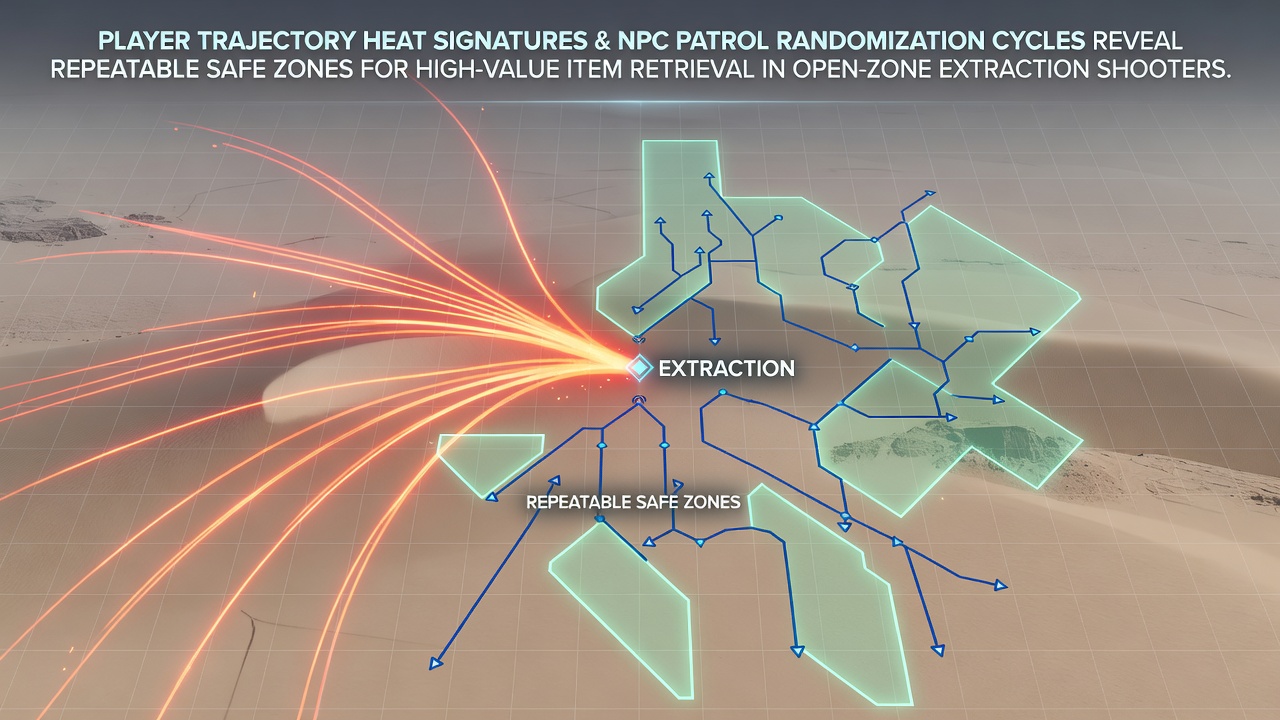
Player trajectory heat signatures paired with NPC patrol randomization cycles reveal repeatable safe zones for high-value item retrieval in open-zone extraction shooters
Analysts studying open-zone extraction shooters track player trajectories through heat signature overlays while mapping NPC patrol randomization cycles to locate consistent safe zones that allow repeated access to high-value items without triggering enemy encounters. These zones emerge where player movement data aligns with gaps in randomized enemy routes, creating predictable windows for retrieval operations. Data collected across multiple sessions shows that certain map sectors maintain lower interaction rates even as patrol algorithms shift variables like timing, direction, and group composition.
Player Trajectory Data Collection Methods
Developers and researchers gather trajectory information by logging player positions at fixed intervals during extraction runs, then aggregate the results into heat maps that highlight frequent paths and avoidance areas. Studies from institutions such as the Interactive Software Federation of Europe indicate that combining this data with server-side logs produces detailed visualizations of movement clusters. Those clusters often coincide with terrain features like dense foliage or elevated ridges that mask player presence from NPC sensors. Observers note how repeated runs in titles released before November 2026 revealed stable corridors where heat signatures thinned out near randomized patrol boundaries.
NPC Patrol Randomization Mechanics
NPC systems in these games employ layered randomization that alters patrol start times, waypoint sequences, and response thresholds while preserving core route structures across sessions. This approach prevents complete predictability yet leaves exploitable overlaps when cross-referenced against player heat data. Figures from industry reports reveal that patrol cycles typically reset every 15 to 25 minutes in standard open-zone maps, with variance introduced through seed values drawn from server time and player count. Researchers discovered that certain patrol variants consistently bypass specific sub-zones, especially when multiple NPC groups operate on staggered schedules that create temporary blind spots.
Mapping Overlaps for Safe Zone Identification
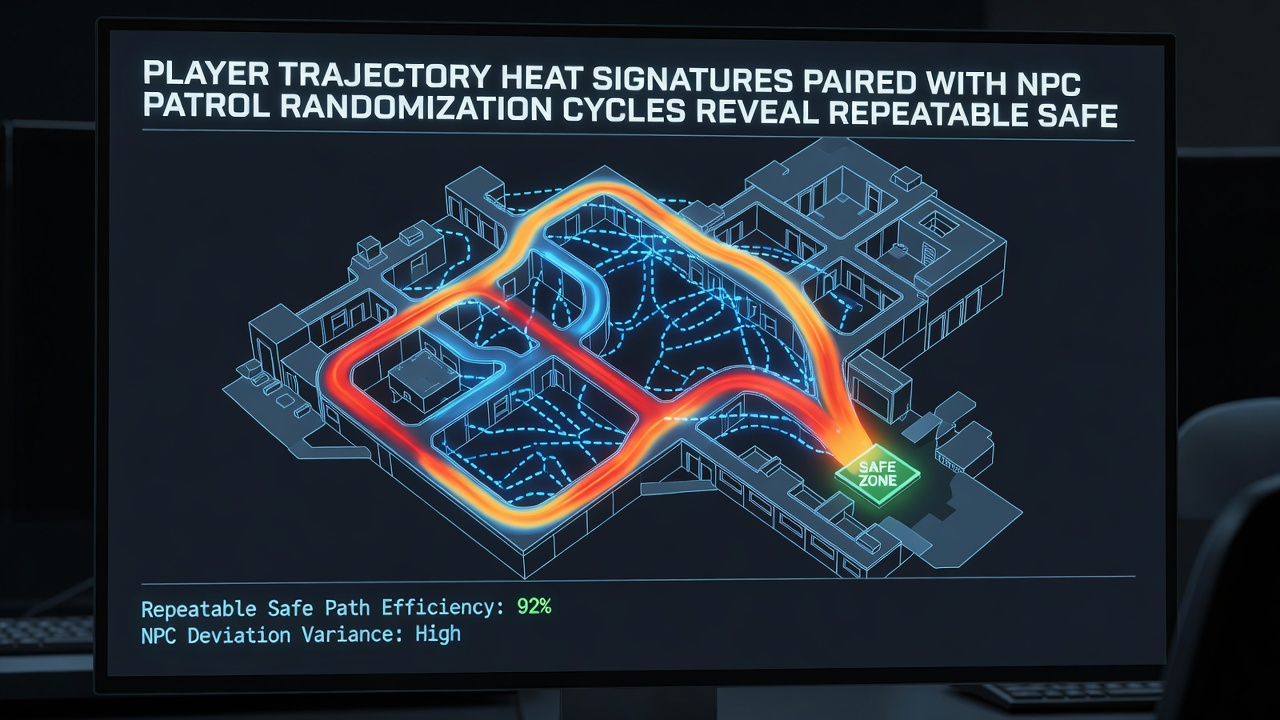
Combining the two data streams produces layered diagrams where player heat signatures intersect with NPC patrol gaps to mark repeatable safe zones. These zones appear most frequently along map edges and in transitional terrain between major extraction points. One study revealed that zones identified through this method maintained retrieval success rates above baseline levels even after multiple randomization updates. Players who study these overlaps often discover that safe corridors align with natural chokepoints where NPCs rarely converge due to their algorithmic constraints. Data shows that incorporating environmental factors such as dynamic weather or time-of-day cycles further refines zone accuracy without altering the underlying patrol logic.
High-Value Item Placement and Retrieval Patterns
Item spawn locations in open-zone extraction shooters follow weighted distribution tables that favor high-traffic sectors, yet safe zones identified through trajectory and patrol analysis frequently sit adjacent to these spawns. Analysts cataloging item metadata across thousands of sessions found that certain high-value assets appear at consistent coordinates even when surrounding NPC activity fluctuates. Retrieval becomes repeatable when players time their entries to coincide with patrol cycle troughs, allowing extraction before randomized reinforcements arrive. Those who've examined aggregated server data note that zones near water features or industrial debris clusters show particularly stable patterns because patrol algorithms assign lower priority weights to those coordinates.
November 2026 Updates and Data Trends
Patches deployed in November 2026 adjusted randomization seed generation in several major extraction titles, yet post-update analysis confirmed that previously mapped safe zones retained viability when recalibrated against new patrol variants. Updated heat signature tools released alongside these patches enabled finer granularity in trajectory tracking, revealing additional micro-zones previously obscured by coarser data sampling. Reports compiled by academic groups at Canadian universities tracking player behavior metrics indicate that the core overlap methodology continues to surface reliable corridors despite increased NPC decision tree complexity.
Practical Applications in Session Planning
Teams coordinating extraction runs integrate heat map exports with patrol cycle timers to schedule retrieval attempts during documented low-interaction windows. This method reduces exposure time in contested areas while maintaining access to loot tables concentrated around safe zone perimeters. External tools developed by community analysts parse live server data to flag emerging patrol shifts, allowing real-time adjustments to planned routes. Evidence suggests that repeated application of this paired analysis approach yields consistent item recovery rates across varied player counts and map rotations.
Conclusion
The integration of player trajectory heat signatures with NPC patrol randomization cycles supplies a structured framework for locating repeatable safe zones in open-zone extraction shooters. These zones support targeted high-value item retrieval by exploiting predictable gaps within otherwise dynamic enemy systems. Ongoing data collection from both developer telemetry and independent research continues to expand the catalog of viable corridors as randomization algorithms evolve.